How Allied Health Assistants (AHAs) Stretch Your Therapy Budget Without Compromising Outcomes
Discover how delegating routine exercises and daily practice to supervised AHAs allows participants to receive twice the weekly therapy hours within their approved funding limits.
David Reynolds, BPhysio
Principal Community Physiotherapist
Key Takeaways for Support Coordinators & Families
- The clinical delegation framework between primary AHPRA clinicians and qualified AHAs
- Significant hourly cost savings under the NDIS Price Guide (AHA rates are less than half of primary therapists)
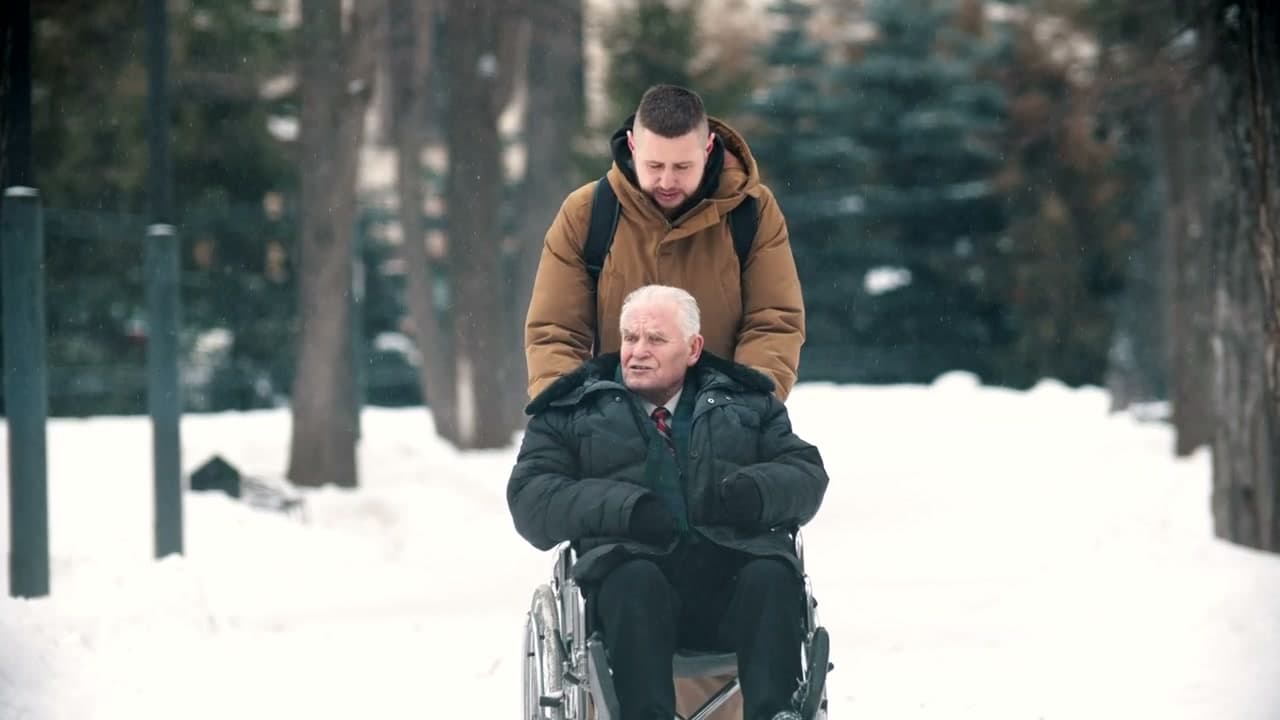
- Real-world community practice: public transport training, grocery shopping, and home exercise routines
- How frequent repetition accelerates muscle memory, neuroplasticity, and functional recovery
The Challenge: Running Out of Therapy Funding Too Soon
One of the most common frustrations support coordinators and families experience is watching a participant’s NDIS therapy budget run dry six months into a twelve-month plan. Seeing a senior Occupational Therapist or Physiotherapist every single week at standard hourly rates can quickly consume an entire allocation.
Yet research consistently shows that clinical recovery and neuroplasticity require high repetition and consistent practice. Practising a walking routine once every fortnight is rarely enough to build lasting stability. This is where Allied Health Assistants (AHAs) create enormous value.
What is an Allied Health Assistant (AHA)?
An AHA is a trained health worker who works under the direct clinical delegation and supervision of a registered Occupational Therapist, Physiotherapist, or Speech Pathologist.
Think of the relationship like an architect and a master builder: the primary therapist evaluates the participant, designs the treatment plan, and establishes the clinical goals. The AHA then steps in to deliver the regular, hands-on practice sessions that turn those goals into daily habits.
Under the NDIS Price Guide, an Allied Health Assistant costs approximately $86 to $98 per hour, compared to $193.99 per hour for a primary therapist. By incorporating an AHA, you can receive two or three sessions per week for the same total budget.
What Kind of Activities Does an AHA Guide?
Because therapy takes place in your natural environment, AHA sessions are practical, engaging, and directly relevant to everyday life:
Mobility & Balance: Walking in your local neighbourhood, practising curb steps, or running through the home exercise program prescribed by your physiotherapist.
Community Independence: Catching the bus to the local shops, practising handling money, or navigating supermarket aisles with an occupational therapy checklist.
Speech & Communication: Practising speech articulation drills, reading aloud, or rehearsing how to order coffee using an AAC communication device.
Ensuring Safety and Clinical Governance
AHAs do not work in isolation. At Koina Allied Health, our supervising clinicians maintain ongoing oversight. The therapist reviews progress notes weekly, adjusts exercises as the participant improves, and conducts regular joint review sessions.
This ensures participants achieve the highest standard of evidence-based allied healthcare while getting the maximum possible value from their funding.
Frequently Asked Questions
Direct answers regarding funding, referrals, and care delivery.
Which NDIS funding categories can be used for an AHA?
Allied Health Assistants can be funded through both Capacity Building (Improved Daily Living - Therapy Assistant line item) and Core Supports (Assistance with Daily Life). This provides tremendous flexibility for participants with limited therapy budgets.
Can an AHA complete my NDIS plan review report?
No. Formal diagnostic reports, Functional Capacity Assessments, and plan review justifications must be written and signed by an AHPRA-registered clinician. The AHA provides valuable observational data that informs the therapist’s final report.
Do Home Care Packages fund Allied Health Assistants?
Yes. Many aged care providers love utilizing AHAs for routine reablement and exercise maintenance because it allows package funds to stretch significantly further across the year.
Ready to refer a client for in-home allied health care?
Submit an intake request online in under 3 minutes. Reviewed by a clinician within 24 business hours across 13 Queensland regional hubs.